
In This Article
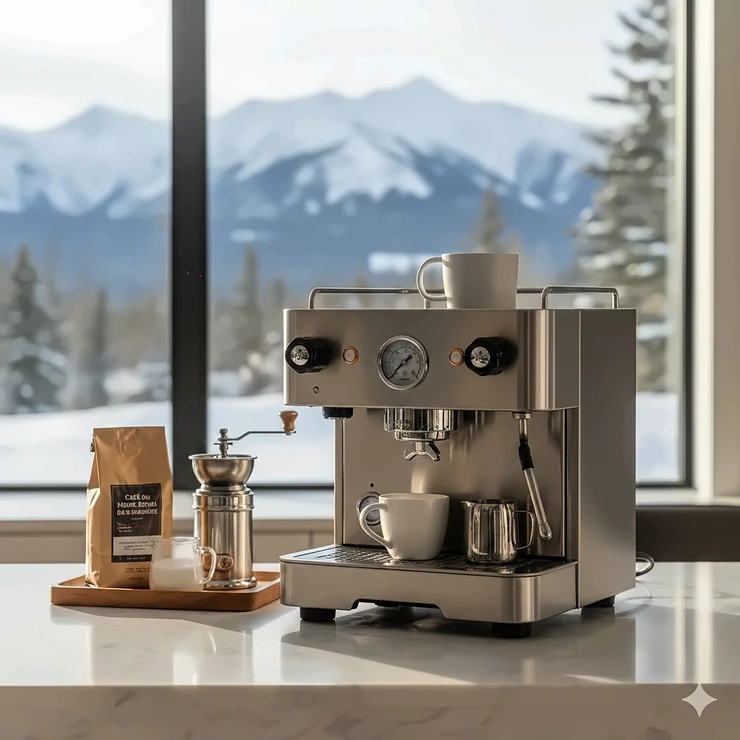
There’s something magical about pulling your first perfect espresso shot. The rich crema, the intoxicating aroma, that moment when you realize you’ll never have to settle for mediocre coffee again. If you’ve been dreaming of crafting barista style espresso home beverages that rival your favourite café, a semi automatic espresso machine might be exactly what you need.
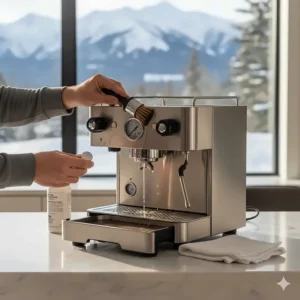
Unlike fully automatic machines that do everything at the press of a button, semi automatic models give you hands-on control over every aspect of your brew. You grind the beans, tamp the grounds, and control the extraction—turning coffee making into a rewarding ritual rather than a mundane task. The learning curve? Sure, it exists. But the payoff is espresso that tastes exactly how you want it, every single time.
In Canada’s thriving coffee culture, more home baristas are discovering the joy of hands-on coffee brewing. Whether you’re in Vancouver sipping your morning latte or in Montreal perfecting your cortado technique, having the right equipment makes all the difference. This guide explores the best semi automatic espresso machines available on Amazon.ca in 2026, complete with Canadian pricing, specifications, and real customer feedback to help you make an informed decision.
Quick Comparison Table
| Machine | Type | Price (CAD) | Pressure | Best For |
|---|---|---|---|---|
| Breville Barista Express | Built-in Grinder | $799-899 | 15 Bar | All-in-one convenience |
| Gaggia Classic Evo Pro | Traditional | $867-877 | 9 Bar | Espresso purists |
| De’Longhi Dedica EC680 | Compact | $250-350 | 15 Bar | Limited counter space |
| Rancilio Silvia M V6 | Commercial-Grade | $838-1,500 | 15 Bar | Serious enthusiasts |
| De’Longhi Dedica Arte | Premium Compact | $399-499 | 15 Bar | Style & performance |
| Breville Bambino Plus | Entry-Level | $400-500 | 15 Bar | Beginners |
| Gaggia Classic Pro E24 | Updated Classic | $800-950 | 9 Bar | Value seekers |
✨ Don’t Miss These Exclusive Deals!
🔍 Take your espresso experience to the next level with these carefully selected products available in Canada. Click on any highlighted item to check current pricing and availability on Amazon.ca. These machines will help you create authentic café-quality beverages your family will love!
Top 7 Semi Automatic Espresso Machines: Expert Analysis
1. Breville Barista Express BES870XL – Best All-in-One
The Breville Barista Express has dominated Canada’s home espresso scene for years, and it’s easy to see why. This machine combines an integrated conical burr grinder with a semi automatic espresso maker, letting you go from whole beans to espresso in under a minute.
Key Specifications:
- 54mm stainless steel portafilter with commercial-style design
- Integrated precision conical burr grinder with dose control
- Digital temperature control (PID) for optimal extraction
- 2L removable water tank
Price: $799-899 CAD on Amazon.ca
What Canadian Buyers Say: Users across Canada praise the Barista Express for its consistency and build quality. One Toronto buyer mentioned achieving café-quality shots after just a week of practice, while a Calgary customer appreciated the grinder’s ability to handle various bean roasts perfectly.
✅ Pros:
- All-in-one design saves counter space
- Excellent build quality with stainless steel construction
- Built-in grinder eliminates need for separate purchase
❌ Cons:
- Steaming temperature requires brief waiting period
- Grinder could be slightly finer for certain beans
2. Gaggia Classic Evo Pro RI9380/46 – Best for Traditional Espresso
Made in Italy with nearly a century of espresso expertise behind it, the Gaggia Classic Evo Pro represents everything a traditional espresso machine with portafilter should be. This updated version features a 9-bar OPV (over-pressure valve) that meets Specialty Coffee Association standards.
Key Specifications:
- Commercial-style 58mm stainless steel portafilter
- Marine brass group head for superior heat retention
- Anti-scale coating on boiler for Canadian water conditions
- Commercial steam wand for microfoam
Price: $867-877 CAD on Amazon.ca
What Canadian Buyers Say: Vancouver baristas and Montreal coffee enthusiasts consistently rate this machine highly. The brass construction handles Canada’s varying water hardness levels well, and the powerful steam wand creates latte art-worthy microfoam even in colder Canadian winters.
✅ Pros:
- Commercial-grade 58mm portafilter accepts aftermarket baskets
- Exceptional build quality designed to last decades
- True 9-bar extraction pressure
❌ Cons:
- Single boiler means switching between brewing and steaming
- Requires separate grinder purchase
3. De’Longhi Dedica EC680 – Best Compact Option
At just 6 inches (15.2 cm) wide, the De’Longhi Dedica EC680 proves you don’t need a massive machine to brew excellent espresso. This slim Italian-designed unit fits perfectly in compact Canadian apartments and condos without sacrificing performance.
Key Specifications:
- Thermoblock heating system for 35-second heat-up
- Three temperature settings for different roasts
- Automatic flow stop for consistent shot sizes
- 1L removable water tank
Price: $250-350 CAD on Amazon.ca
What Canadian Buyers Say: Perfect for first-time buyers and small kitchens across Canada. Edmonton users appreciate the quick heat-up time during cold mornings, while Toronto condo dwellers love how it maximizes limited counter space.
✅ Pros:
- Incredibly space-efficient design
- Fast heat-up time saves morning minutes
- Affordable entry point for quality espresso
❌ Cons:
- Smaller water reservoir requires frequent refills
- Plastic components in some areas
4. Rancilio Silvia M V6 – Best for Serious Enthusiasts
The Rancilio Silvia M V6 is the machine serious Canadian home baristas graduate to when they’re ready for commercial-level performance. With a reputation spanning decades, Silvia delivers consistent, exceptional espresso that rivals café machines.
Key Specifications:
- Chrome-plated brass group head for thermal stability
- 350ml (12oz) insulated brass boiler
- Commercial-style 58mm chrome-plated brass portafilter
- Three-way solenoid valve for dry pucks
Price: $838-1,500 CAD (varies by retailer)
What Canadian Buyers Say: Coffee enthusiasts from British Columbia to Nova Scotia consider this their endgame machine. One Ottawa buyer reported 10+ years of flawless operation, while a Winnipeg user praised its ability to handle extremely cold tap water in winter months.
✅ Pros:
- Commercial-grade components built for longevity
- Exceptional steam power for milk-based drinks
- Made in Italy with superior craftsmanship
❌ Cons:
- Steeper learning curve for beginners
- Higher price point
5. De’Longhi Dedica Arte EC885M – Best Style & Performance Combo
The De’Longhi Dedica Arte takes the compact Dedica platform and elevates it with premium features. The My LatteArt steam wand and professional tamper included make this an attractive option for Canadians who value both aesthetics and functionality.
Key Specifications:
- My LatteArt premium steam wand for better microfoam
- Three-level temperature control
- Professional tamper and larger 18g filter basket included
- Sleek stainless steel design
Price: $399-499 CAD on Amazon.ca
What Canadian Buyers Say: The Arte model impresses users who want café-quality results without the bulk. Halifax buyers love the improved steam wand performance, while Calgary users appreciate the temperature control for high-altitude brewing adjustments.
✅ Pros:
- Superior steam wand compared to standard Dedica
- Includes professional-grade accessories
- Maintains compact footprint
❌ Cons:
- Still limited by single boiler design
- Premium over standard Dedica
6. Breville Bambino Plus BES500 – Best for Beginners
The Breville Bambino Plus makes the perfect first semi automatic espresso machine. Its automatic milk frothing and quick 3-second heat-up time remove common beginner frustrations while still offering manual control over shot extraction.
Key Specifications:
- 3-second heat-up with ThermoJet system
- Automatic microfoam milk texturing
- 54mm portafilter
- Compact design at 7.7 inches (19.5 cm) wide
Price: $400-500 CAD on Amazon.ca
What Canadian Buyers Say: First-time espresso makers across Canada appreciate the Bambino Plus’s forgiving nature. Saskatoon newcomers to espresso praised the automatic milk frother, while Quebec buyers valued the bilingual instruction manual.
✅ Pros:
- Ultra-fast heat-up saves time
- Automatic milk frothing reduces learning curve
- Compact yet powerful
❌ Cons:
- Smaller portafilter than commercial standard
- Less manual control than traditional machines
7. Gaggia Classic Pro E24 – Best Value for Money
The 2024-updated Gaggia Classic Pro E24 features an all-new brass boiler for improved thermal performance. This legendary machine continues to offer incredible value for Canadian home baristas seeking commercial-quality espresso without the premium price tag.
Key Specifications:
- Updated all-brass boiler for better heat capacity
- Commercial 58mm stainless steel portafilter
- Quieter pump mounting system
- Three-way solenoid valve
Price: $800-950 CAD
What Canadian Buyers Say: The E24 update addresses previous concerns about steam power. Manitoba users note significantly improved milk steaming performance, while Ontario buyers appreciate the quieter operation in open-concept homes.
✅ Pros:
- Improved brass boiler over previous versions
- Commercial-standard components
- Proven reliability
❌ Cons:
- Single boiler requires temperature surfing
- Requires quality grinder separately
Understanding Semi Automatic vs Automatic Espresso Machines
The distinction between semi automatic vs automatic espresso machines fundamentally comes down to control. Semi automatic models require you to start and stop the brewing process manually, giving you precise command over extraction time—the most critical factor in espresso quality. You control when to engage the pump and when to stop it, typically aiming for 25-30 seconds of extraction for a double shot.
Fully automatic machines, by contrast, automatically stop the flow once a pre-programmed volume is dispensed. While convenient, this removes your ability to adjust extraction based on factors like bean freshness, grind size, or ambient temperature. In Canada’s variable climate, where humidity and temperature fluctuate dramatically between seasons, the ability to fine-tune your shots becomes especially valuable.
According to Wikipedia, espresso is defined as a concentrated coffee produced by forcing hot water under high pressure through finely ground beans. Modern semi automatic machines maintain the 9-bar pressure standard pioneered by Achille Gaggia in the 1940s, which revolutionized espresso by introducing the characteristic crema we associate with quality shots today.
For Canadian home baristas, semi automatic machines offer the perfect balance. You get hands-on involvement without the extreme difficulty of manual lever machines, plus the satisfaction of crafting each shot to your exact preferences.
Essential Features to Look for in Your Espresso Machine with Portafilter
Portafilter Size & Quality
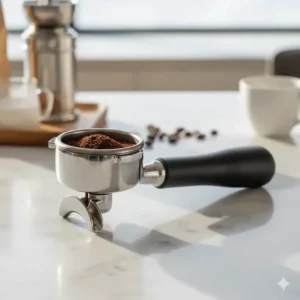
The portafilter matters more than most beginners realize. Commercial-standard 58mm portafilters, found on machines like the Gaggia Classic Evo Pro and Rancilio Silvia, offer several advantages over smaller 51-54mm versions. Larger portafilters accommodate more coffee, provide better heat retention, and give you access to a vast ecosystem of aftermarket baskets, tampers, and accessories.
Chrome-plated brass or stainless steel portafilters distribute heat evenly, ensuring consistent extraction across your entire coffee puck. Cheaper plastic or aluminum versions can’t match this thermal stability—a crucial factor when pulling multiple shots for guests.
Boiler Material & Capacity
Brass boilers, like those in the Gaggia and Rancilio machines, offer superior heat retention and resist mineral buildup better than aluminum alternatives. This matters particularly in Canadian cities with harder water, such as Calgary, Winnipeg, or parts of the Greater Toronto Area.
Larger boilers (300ml+) provide better steam power for milk-based drinks and recover faster between shots. If you’re regularly making multiple cappuccinos or lattes, boiler capacity becomes a key consideration.
Pressure & Temperature Control
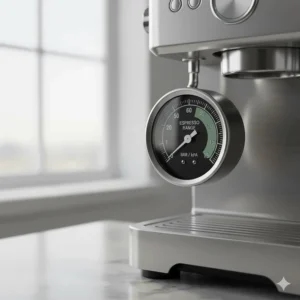
True espresso requires 9 bars of pressure during extraction. While many machines advertise 15-bar pumps, the actual brewing pressure should be regulated to 9 bars via an over-pressure valve (OPV). The Gaggia Classic Evo Pro comes factory-set to this ideal pressure, while some Breville models use their own pressure profiling systems.
Temperature stability separates good shots from exceptional ones. PID (Proportional-Integral-Derivative) controllers maintain water temperature within 1-2°C, crucial for consistent extraction. Machines without PID require “temperature surfing”—a technique where you time your shots based on heating element cycles.
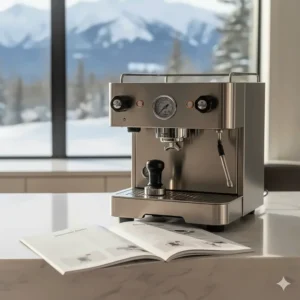
How to Choose the Best Semi Automatic Espresso Machine in Canada
Step 1: Assess Your Counter Space Measure your available area before shopping. Compact models like the De’Longhi Dedica fit spaces as narrow as 15 cm, while machines with built-in grinders like the Breville Barista Express need 30+ cm width.
Step 2: Determine Your Budget Quality semi automatic machines range from $250 to $1,500 CAD in Canada. Entry-level options like the Dedica EC680 perform admirably for beginners, while serious enthusiasts may prefer investing in the Rancilio Silvia for long-term use.
Step 3: Consider Your Grinder Situation Do you already own a quality burr grinder? If not, an integrated option like the Barista Express provides excellent value. Separate grinders offer more flexibility but add $200-500 CAD to your total investment.
Step 4: Evaluate Your Skill Level First-time buyers might appreciate the automatic milk frothing on the Breville Bambino Plus, while experienced users will value the manual control of traditional machines.
Step 5: Think About Maintenance Requirements Canadian water hardness varies significantly by region. Machines with brass boilers and descaling indicators, like the Gaggia models, handle mineral buildup better. Factor in the cost of descaling solution (available on Amazon.ca for $15-25 CAD) and water filters if your local water is particularly hard.
Step 6: Read Canadian Customer Reviews Pay special attention to reviews from buyers in your climate zone. Winter performance can differ—machines with larger boilers handle cold tap water better during Canadian winters.
Step 7: Check Warranty & Service Availability Ensure the seller provides Canadian warranty coverage. Authorized retailers often include 1-2 year warranties, while grey market imports may not. iDrinkCoffee.com and Whole Latte Love Canada offer excellent after-sales support for machines purchased through them.
Mastering Hands-On Coffee Brewing Techniques
The Art of Grinding
Grind size represents your most powerful variable in espresso making. Too coarse, and water rushes through too quickly, producing sour, under-extracted shots. Too fine, and water struggles to pass through, resulting in bitter, over-extracted espresso.
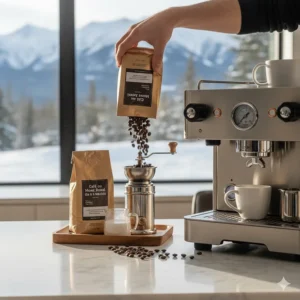
For semi automatic machines, aim for a consistency similar to table salt. Canadian beans, whether from Toronto’s Pilot Coffee Roasters or Vancouver’s 49th Parallel, perform best when ground fresh before each shot. Pre-ground coffee loses aromatic compounds within 15 minutes of grinding, severely impacting flavour.
Invest in a quality burr grinder (conical or flat) capable of stepless or very fine adjustment. Blade grinders produce inconsistent particle sizes that make extraction impossible to control.
Proper Tamping Technique
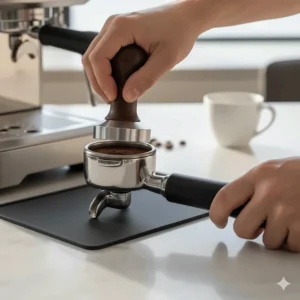
Tamping creates an even coffee bed that ensures water flows uniformly through all grounds. Apply approximately 30 pounds (13.6 kg) of downward pressure using a level tamp. The goal isn’t maximum force but consistent, even compression.
Many beginners tamp unevenly, causing channeling—where water finds the path of least resistance and bypasses portions of your coffee. This results in simultaneously over- and under-extracted espresso, producing unpleasant flavours.
Dialing In Your Shot
“Dialing in” means adjusting variables until you achieve ideal extraction. A standard double shot uses 18-20 grams of coffee and produces 36-40 grams of espresso in 25-30 seconds. These ratios provide a starting point, but your beans, machine, and preferences will require tweaking.
If your shot pulls too fast (under 20 seconds), grind finer or increase your dose. If it’s too slow (over 35 seconds), coarsen your grind or reduce the dose. Keep detailed notes—Canadian beans from different roasters behave differently.
Milk Steaming for Perfect Microfoam
Quality milk steaming requires fresh, cold milk (2-4°C) and proper technique. Submerge the steam wand’s tip just below the milk surface and introduce air during the first few seconds, creating a gentle whirlpool. Once you hear a consistent “tss” sound rather than loud sputtering, you’re texturing properly.
Canadian whole milk (3.25% fat) produces excellent microfoam. 2% milk works but creates slightly less creamy texture. Plant-based alternatives like oat milk (Oatly Barista Edition is popular in Canada) steam well but require lower temperatures—around 55-60°C versus the standard 65-70°C for dairy.
Semi Automatic Espresso Machine Maintenance for Canadian Conditions
Daily Cleaning Rituals
After each use, backflush your machine if it has a three-way solenoid valve (Gaggia and Rancilio models). Insert a blind basket (no holes) with a small amount of espresso machine cleaner, run the brew cycle for 10 seconds, then release. Repeat 4-5 times until water runs clear.
Wipe down the group head gasket and shower screen. Coffee oils accumulate here and turn rancid, affecting flavour. Purge the steam wand immediately after steaming milk—dried milk blocks the tip and harbours bacteria.
Weekly Deep Cleans
Remove and soak the portafilter, baskets, and shower screen in a solution of Cafiza or similar espresso machine cleaner (available on Amazon.ca). These powerful alkaline cleaners dissolve coffee oils that regular dish soap can’t touch.
Clean your drip tray thoroughly. In humid Canadian summers, mold can develop quickly in neglected drip trays.
Monthly Descaling
Canadian water varies dramatically in mineral content. Calgary and Winnipeg have notably hard water requiring monthly descaling. Vancouver and coastal areas have softer water, allowing quarterly descaling schedules.
Use manufacturer-approved descaling solutions. Vinegar works but can damage gaskets and seals over time. Follow the specific descaling procedure for your machine model—it typically involves running descaling solution through the boiler and brew group.
Seasonal Considerations
Winter in Canada presents unique challenges. Extremely cold tap water (near 4°C in some regions) requires longer heat-up times. Consider installing a water line filter if your municipal water has high mineral content or chlorine levels that affect taste.
Summer humidity can cause coffee beans to absorb moisture, requiring slightly coarser grinds. Store beans in airtight containers away from heat and light—critical in Canadian homes with large temperature swings between seasons.
Budget Breakdown: Semi Automatic Espresso Reviews
Under $400 CAD: Entry-Level Excellence
The De’Longhi Dedica EC680 dominates this category. While compromises exist—smaller portafilter, plastic components—the core espresso-making capability remains solid. Budget an additional $150-250 CAD for a decent hand grinder like the Timemore C2 or Hario Mini Mill Plus.
Total investment: $400-650 CAD gets you brewing quality espresso at home.
$400-900 CAD: Enthusiast Sweet Spot
This range offers the best value for serious Canadian home baristas. The Gaggia Classic Evo Pro ($867 CAD) and Breville Barista Express ($799 CAD) represent two excellent but different approaches—traditional Italian craftsmanship versus modern integrated convenience.
Pair either with a quality electric grinder ($200-400 CAD) like the Baratza Encore ESP or Eureka Mignon Notte (if buying the Gaggia).
Total investment: $600-1,300 CAD delivers café-quality results.
$900-1,500 CAD: Professional-Grade Performance
The Rancilio Silvia M V6 ($838-1,500 CAD depending on retailer) represents the entry point to truly commercial-grade home espresso. Build quality, component materials, and longevity justify the premium. These machines frequently serve 10-15 years or longer with proper maintenance.
Budget $300-600 CAD for a grinder worthy of this machine—the Eureka Mignon Specialita or Baratza Sette 270.
Total investment: $1,200-2,100 CAD creates a setup that rivals professional cafés.
Top Espresso Accessories for Canadian Baristas
Essential Tools (Purchase Immediately)
A proper tamper might seem like a small detail, but the plastic versions included with most machines don’t provide the weight and precision needed for consistent tamping. Upgrade to a weighted 58mm tamper ($30-60 CAD on Amazon.ca) if your machine uses the commercial standard size.
Invest in a knock box ($25-40 CAD) for disposing of used pucks. It protects your sink and garbage disposal while speeding up your workflow.
A reliable coffee scale with 0.1g precision ($30-50 CAD) transforms your consistency. Weighing doses and yields removes guesswork, helping you replicate successful shots.
Upgrade Accessories (Add When Ready)
Bottomless (naked) portafilters ($50-80 CAD) reveal channeling issues and help you perfect your technique. They’re also visually stunning—watching espresso pour from the bottom of your basket never gets old.
Precision baskets like VST or IMS ($30-45 CAD each) offer more consistent hole size and distribution than stock baskets, improving extraction evenness.
A WDT (Weiss Distribution Technique) tool ($15-30 CAD) helps break up clumps and distribute grounds evenly in your basket, reducing channeling.
Cleaning & Maintenance Supplies
Keep Cafiza or Puly Caff cleaner ($15-25 CAD), descaling solution ($15-20 CAD), and group head cleaning brushes ($10-15 CAD) on hand. Regular maintenance extends machine life dramatically.
Milk pitcher cleaning tablets ($10-15 CAD) specifically target milk proteins that water alone can’t remove.
Comparing Espresso Machine Specifications
| Specification | Budget Range | Mid-Range | Premium | Why It Matters |
|---|---|---|---|---|
| Portafilter Size | 51-54mm | 54-58mm | 58mm | Larger holds more coffee, better heat retention |
| Boiler Material | Aluminum/Thermoblock | Brass | Brass | Brass provides superior thermal stability |
| Boiler Capacity | 200-250ml | 250-350ml | 350ml+ | Larger allows better steam power |
| Pressure | 15 bar (pump) | 9-15 bar | 9 bar (regulated) | 9 bar optimal for extraction |
| Build Quality | Plastic/Stainless | Stainless/Brass | Commercial components | Determines longevity |
Environmental & Health Considerations in Canada
Energy Efficiency
Modern espresso machines consume 1200-1500 watts during heat-up but typically draw only 200-400 watts during standby. Thermoblock systems (De’Longhi Dedica) heat water on demand, using less energy than traditional boiler machines when making single shots.
In Canadian provinces with high electricity costs (Ontario, Nova Scotia), energy-efficient models can save $20-40 annually. Machines with automatic shut-off features help reduce unnecessary consumption.
Water Quality & Health Canada Guidelines
Health Canada regulates drinking water quality standards that indirectly affect your espresso. Municipal water in Canada is safe to use, but chlorine and mineral content varies significantly.
Consider a simple carbon filter for your water reservoir if you detect chlorine taste. Reverse osmosis water, while pure, can actually harm espresso—minerals contribute to extraction. The Specialty Coffee Association recommends water with 50-175 ppm total dissolved solids.
Sustainability Considerations
Quality semi automatic machines last 10-20 years, dramatically reducing electronic waste compared to pod-based systems. The average Canadian coffee drinker using a Nespresso system generates approximately 500 pods annually—most not recyclable in Canadian municipalities despite manufacturer claims.
Semi automatic machines use only fresh coffee grounds, completely compostable in Canadian green bin programs or backyard composters. Many Canadian coffee roasters (Phil & Sebastian, Detour, JJ Bean) offer composting programs or packaging made from renewable materials.
Regional Canadian Coffee Culture & Machine Choice
Urban vs Rural Considerations
Urban Canadian baristas benefit from easier access to specialty coffee beans and repair services. Major cities like Toronto, Montreal, Vancouver, and Calgary host multiple espresso machine retailers offering in-person support.
Rural buyers should prioritize machines with proven reliability and widely available parts. The Gaggia Classic’s decades-long production means replacement gaskets, screens, and portafilters ship across Canada quickly.
Altitude Adjustments
High-altitude Canadian cities like Calgary (1,045m) and Banff (1,383m) experience lower boiling points. Water boils at approximately 97°C in Calgary versus 100°C at sea level. This slightly affects extraction temperature—machines with PID temperature control allow precise adjustments.
Climate Impact on Coffee Storage
Canadian winters create dry indoor environments from heating systems, while summers bring humidity. Store beans in opaque, airtight containers. If you’re in a particularly humid region (coastal British Columbia, Atlantic provinces), consider vacuum-sealed containers.
Whole beans stay fresh 2-4 weeks post-roast when properly stored. Canadian roasters often include roast dates on packaging—crucial information most grocery store brands omit.
Common Mistakes to Avoid
❌ Using Pre-Ground Coffee: Grinding fresh before each shot isn’t optional for quality espresso. Pre-ground coffee, even if stored carefully, loses volatile aromatics within hours.
❌ Neglecting Water Quality: Canadian tap water varies dramatically. If your water tastes off or leaves limescale in your kettle, it will affect your espresso. Simple carbon filtration often suffices.
❌ Skipping Warm-Up: Most machines need 15-30 minutes to reach thermal stability. Quick shots from a cold machine taste thin and sour.
❌ Over-Tamping: More pressure doesn’t equal better espresso. Consistent, level tamping around 30 pounds (13.6 kg) of force works best.
❌ Ignoring Cleaning: Rancid coffee oils build up quickly, creating bitter, unpleasant flavours that no technique can overcome. Daily backflushing takes 60 seconds but dramatically improves taste.
❌ Buying Based on Price Alone: The cheapest machine costs more if it fails within a year. Quality espresso machines represent 10+ year investments—factor in total cost of ownership.
FAQ
❓ How much does a good semi automatic espresso machine cost in Canada?
❓ Do I need a separate grinder for my semi automatic espresso machine?
❓ What is the difference between 15 bar and 9 bar pressure?
❓ Can semi automatic espresso machines make other coffee drinks besides espresso?
❓ How often do I need to descale my espresso machine in Canada?
Conclusion: Finding Your Perfect Semi Automatic Espresso Machine
Choosing the right semi automatic espresso machine transforms your relationship with coffee. Whether you select the budget-friendly De’Longhi Dedica for its compact efficiency, the legendary Gaggia Classic Evo Pro for traditional Italian craftsmanship, or the premium Rancilio Silvia for commercial-grade performance, each machine on this list delivers genuine café-quality espresso in Canadian homes.
The learning curve exists, but that’s precisely what makes semi automatic machines rewarding. Each shot becomes an opportunity to refine your technique, understand your beans better, and create drinks precisely tailored to your preferences. Canadian home baristas from St. John’s to Victoria are discovering that hands-on coffee brewing isn’t just about the destination—it’s about enjoying the journey.
Remember to factor in your grinder choice, available counter space, and local water quality when making your decision. Start with quality beans from Canadian roasters, practice your technique consistently, and maintain your machine properly. Within weeks, you’ll be pulling shots that rival your favourite café—and saving money while doing it.
The investment in a quality semi automatic espresso machine pays dividends daily. Every morning becomes an opportunity to craft something special, whether that’s a quick double shot before work or a leisurely Sunday latte with perfectly steamed microfoam. Your kitchen becomes your café, and your skills as a barista grow with each cup.
✨ Don’t Miss These Exclusive Deals!
🔍 Ready to elevate your home coffee game? Check current pricing and availability for these top-rated semi automatic espresso machines on Amazon.ca. Canadian buyers consistently rate these models for quality, performance, and value—plus you’ll enjoy fast shipping across Canada!
Recommended for You
- 7 Best Super Automatic Espresso Machines Canada 2026
- Best Budget Espresso Machine Canada 2026: Top 7 Picks Under $500
- 7 Best Espresso Machine Canada 2026
Disclaimer: This article contains affiliate links to Amazon.ca. If you purchase products through these links, we may earn a small commission at no additional cost to you.
✨ Found this helpful? Share it with your friends! 💬🤗
