
In This Article
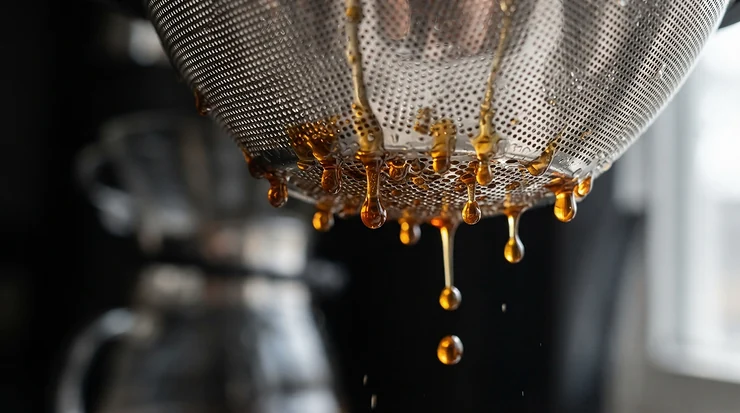
Paper filters are tidy, cheap and everywhere. They are also a small, steady stream of garbage and a recurring “we’re out again” moment at 7 a.m. A metal coffee filter for pour over ends both problems, and it changes the cup in ways you can taste. The brew is heavier, rounder and a little more rustic. Some people love that. Others miss the crisp, tea-like clarity of paper.
This guide helps you decide which camp you’re in. It covers seven real products available to Canadian shoppers, plus the four things that decide whether a metal filter works for you: top rated metal coffee filters, coffee oil retention, sediment level and reusable filter lifespan. It also covers a health question worth knowing about before you commit.
What Is a Metal Coffee Filter for Pour Over?
A metal coffee filter for pour over is a reusable, perforated stainless steel cone, basket or mesh insert that sits in a dripper or on a carafe and holds the grounds while water passes through. Unlike paper, it lets coffee oils and fine particles into the cup. That gives a fuller-bodied brew and removes the need for disposable filters. The compound cafestol is one reason paper and metal behave differently, and we’ll come back to it.
Quick Comparison: 7 Metal Filter Options at a Glance
Prices below are rough ranges in Canadian dollars at the time of research. Check current pricing on Amazon.ca before you buy.
| Product | Fits | Build | Sediment Level | Price Range | Best For |
|---|---|---|---|---|---|
| Able Kone | Chemex 6/8/10-cup, Hario V60 02, Ratio Eight, Moccamaster, Bonavita | Laser-cut stainless steel cone | Low to moderate | C$40-C$65 | Chemex owners who want one filter for years |
| Able Kone Mini | Hario V60 02 | Laser-cut cone with polymer ring | Low to moderate | C$35-C$60 | V60 fans after a fuller cup |
| Barista Warrior Stainless Steel Pour Over Filter | Chemex 6/8/10-cup, Hario V60 | Titanium-coated, double-layer mesh plus laser-cut | Low | C$45-C$60 | Cleanest cup from a metal filter |
| Bodum 34 oz Pour Over Coffee Maker | Self-contained 1 L carafe | Fine stainless mesh, glass, cork band | Moderate | C$25-C$45 | Beginners who want everything in one box |
| LHS Pour Over Coffee Dripper | 1-2 cup single-serve, on a mug | Stainless cone with stand | Varies with grind | C$15-C$30 | Tight budgets, solo brewers |
| MISETTO Stainless Steel Pour Over Dripper | Multiple popular drippers | Stainless steel | Varies with grind | C$20-C$40 | Flexible, mix-and-match setups |
| OVALWARE Pour Over Coffee Filter | Chemex-style brewers | Dual-filter stainless design | Low to moderate | C$25-C$45 | Mid-priced Chemex upgrade |
Read the table by sediment level first, because that is where the products differ most in practice. The Barista Warrior takes the low-sediment end with its double-layer design, while the Bodum and the budget cones lean on your grind setting to keep the cup clean. If your budget is tight, the LHS is the cheapest way in, but expect to dial in your technique.
💬 Just one click — help others make better buying decisions too!😊
Top 7 Metal Coffee Filter for Pour Over Picks: Expert Analysis
1. Able Kone — laser-cut precision built for Chemex
The Able Kone is the name most pour-over fans think of first. It is a sheet of laser-cut stainless steel wrapped into a cone, with a fourth-generation redesign that uses a square-to-round hole pattern and a polished finish.
The original cone measures about 10 cm tall and 13 cm across (4 by 5⅛ inches). It fits 6-, 8- and 10-cup Chemex brewers, Hario V60 02 holders, and machines such as the Ratio Eight, Technivorm Moccamaster and Bonavita. In practice that versatility means one purchase covers a manual setup and an automatic drip machine.
On paper this filter sits between a French press and a paper-filtered pour over. Its laser-cut holes pass less sediment than a typical woven mesh. Reviewers consistently say grind size is the secret: too fine and the brew turns muddy and slow, too coarse and it tastes weak.
Aggregated review sentiment is mixed. One review aggregator scores professional reviews far higher than consumer ratings, with consumers citing fit and sediment complaints. Some Chemex owners report the cone wobbles in larger carafes, while others praise the lack of clogging and easy rinse-and-dry cleanup.
Pros:
- ✅ Laser-cut holes pass less sediment than mesh
- ✅ Fits Chemex, V60 02 and several drip machines
- ✅ Rinses clean and is very durable
Cons:
- ❌ Can wobble in some larger Chemex carafes
- ❌ Weak or muddy cups if grind is off
Expect roughly C$40-C$65, which is good value if you brew daily and are willing to learn your grind.
2. Able Kone Mini — a metal cone sized for the V60
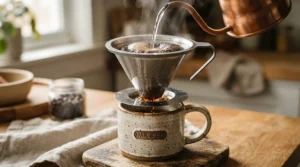
The Able Kone Mini is the same idea scaled down for Hario V60 02 holders. It has a flat “safety nub” at the bottom and a polymer ring at the top.
That ring is the key spec, and a mixed blessing. A detailed CoffeeGeek review found it was the only part touching the V60’s ridged walls, so the cone wobbles instead of sitting snug. The reviewer also logged about 70 brews with it and found the extractions fuller and more flavourful than paper in the same dripper.
So the Able Kone Mini is a trade. You gain body and flavour intensity and you lose the paper-clean finish. The wobble is cosmetic for some people and irritating for others, because an off-centre cone can affect how evenly water flows through the bed.
It suits V60 owners who already like heavier cups and don’t want to keep buying papers. It is less ideal if you chase floral light roasts.
Reviewer sentiment on the broader Kone line is generally positive about build quality and cleanup. The recurring complaint is fit and learning the right grind, not durability.
Pros:
- ✅ Fuller, more flavourful cup than paper in a V60
- ✅ Laser-cut stainless steel that shrugs off wear
- ✅ Rinses clean with little effort
Cons:
- ❌ Wobbles in many V60 holders
- ❌ Less clarity for delicate light roasts
Price sits around C$35-C$60, a fair deal for a V60 owner who values body over clarity.
3. Barista Warrior Stainless Steel Pour Over Filter — double-layer mesh for the cleanest metal cup
The Barista Warrior pairs a fine stainless mesh outer layer with a laser-cut inner layer, finished in a titanium coating (gold, black or copper tones). It fits Chemex 6-, 8- and 10-cup brewers and Hario V60 drippers.
The double layer is the reason to buy it. The inner layer is finer than the outer one, so fewer particles reach the cup. A rubber gasket around the rim helps seal against a Chemex neck, so grounds are less likely to slip past if you overfill.
One review aggregator scores it highly with professionals and somewhat lower with consumers. Owner feedback is positive about little to no sediment and easy rinsing. Complaints centre on handling: there’s no handle, and the cone is hot to lift out, so you’ll want a spoon or oven mitt. Some buyers also mention clogging if the grind is too fine.
The maker recommends descaling every two weeks in a distilled vinegar and warm water soak, and the aggregator lists a lifetime warranty. Check the warranty terms with the seller before relying on them.
Pros:
- ✅ Double-layer design keeps the cup remarkably clean
- ✅ Rubber gasket helps seal against Chemex necks
- ✅ Backed by a lifetime warranty claim
Cons:
- ❌ No handle, so it’s awkward to remove when hot
- ❌ Fine grinds can slow or clog it
Expect roughly C$45-C$60. If sediment is your biggest worry, this is the best value among the premium options here.
4. Bodum 34 oz Pour Over Coffee Maker — all-in-one brewer with a permanent filter
The Bodum 34 oz Pour Over Coffee Maker is not just a filter. It is a 1 L borosilicate glass carafe with a cork or silicone band and a permanent fine-mesh stainless filter. It makes about eight 120 mL cups, and the carafe and filter are listed as dishwasher safe.
The sensible reading is this: if you don’t yet own a dripper, the Bodum removes the compatibility guesswork. A Homes & Gardens review found it produced a full-bodied cup and pointed out that a Chemex can cost up to double and still not include a permanent filter. It performs better in larger batches than single cups.
Buyer feedback is mostly positive, with listings averaging in the mid-4-star range across several hundred ratings. Common gripes include a slow start, a large grip, a plastic pour insert and coffee that drips down the cork. Several owners say they put a paper filter inside the mesh to cut sediment, which works but defeats the paperless point.
Pros:
- ✅ Complete setup: carafe, filter and sleeve
- ✅ Dishwasher-safe parts
- ✅ Great for batches up to about 1 L
Cons:
- ❌ More sediment than double-layer filters
- ❌ Awkward grip and dripping on the cork band
Pricing is roughly C$25-C$45, which is excellent value for a beginner.
5. LHS Pour Over Coffee Dripper — a budget cone with the extras included
The LHS Pour Over Coffee Dripper is a stainless steel cone for one or two cups, sold with a non-slip stand and a small cleaning brush according to its listing. That stand lets it sit across a mug, which suits a desk or a camping kit.
A review roundup flagged it as a good-value stainless option. I could not verify detailed owner-review sentiment, so treat the following as reasoning from the design, not confirmed feedback. Simple woven mesh cones at this price usually depend heavily on grind consistency, so the sediment level will vary a lot with your grinder.
The brush is a quiet bonus. Fine mesh traps grounds in its weave, and a brush helps push them out before they harden.
Who is it for? Someone testing whether a metal coffee filter for pour over suits them without spending much. If you love it, upgrade later to a double-layer filter. If you don’t, you’ve lost little.
Pros:
- ✅ Very low entry cost for a trial run
- ✅ Includes stand and cleaning brush
- ✅ Compact for one or two cups
Cons:
- ❌ Sediment varies a lot with grind quality
- ❌ Fewer verified owner reports than the big names
Price: roughly C$15-C$30. Strong value for a first metal filter, provided you grind carefully.

6. MISETTO Stainless Steel Pour Over Dripper — flexible fit across popular drippers
The MISETTO Stainless Steel Pour Over Dripper appears on several reusable-filter roundups, with one source highlighting its compatibility with multiple popular drippers and its paper-free brewing.
That flexibility is its selling point. If you rotate between a ceramic V60, a Chemex and a travel mug setup, one filter that adapts is convenient. Compatibility claims deserve a quick check against your exact dripper, though. A cone that “fits many” can still sit loosely in the one you own.
As with the LHS, I couldn’t verify detailed reviewer sentiment, so here is what you can reasonably expect. Stainless construction is easy to rinse and avoids the paper taste some drinkers notice. Sediment level depends on the mesh and your grind, so start slightly coarser than you would for paper.
Choose it if you like variety in your setup and want a metal filter that isn’t locked to one brewer.
Pros:
- ✅ Advertised as fitting several popular drippers
- ✅ Paper-free, so no rinsing out paper taste
- ✅ Simple stainless build, easy to clean
Cons:
- ❌ Sediment varies with mesh and grind
- ❌ Fit should be checked against your dripper
Expect roughly C$20-C$40. A reasonable mid-tier pick if you value adaptability.
7. OVALWARE Pour Over Coffee Filter — dual-filter design for Chemex-style brewers
The OVALWARE Pour Over Coffee Filter is a reusable stainless steel option that one roundup labels as dual-filter technology for Chemex. That puts it in the same family as the Barista Warrior: two filtering layers working together.
The practical meaning is simple. A coarse outer layer stops the big particles and an inner layer catches finer ones. That design should keep the sediment level lower than single-layer mesh, though the exact numbers are not published, so treat it as a design expectation.
Owner-review depth is thinner than for the Able Kone or Bodum, so I can’t summarize detailed sentiment honestly. If you’re comparing it directly to the Barista Warrior, check that your Chemex size is supported and look at recent buyer comments on fit and clogging.
It makes sense for someone who wants a two-layer filter but prefers to compare a second option before committing.
Pros:
- ✅ Two-layer design aims at a cleaner cup
- ✅ Reusable stainless steel, no paper waste
- ✅ Designed with Chemex-style brewers in mind
Cons:
- ❌ Fewer verified owner reviews to lean on
- ❌ Fit and size support need checking
Price sits around C$25-C$45, a sensible middle ground.
Top Rated Metal Coffee Filters: What the Ratings Actually Mean
Searching for top rated metal coffee filters usually turns up star averages and roundup badges. Be careful with both. A high average can come from a few hundred buyers who all use the same dripper, and a roundup’s “best overall” badge often reflects affiliate economics as much as testing.
What does the evidence support? Professional-style reviews consistently praise the Able Kone and Barista Warrior for build quality and flavour. Consumer ratings are lower on both, usually because of fit, grind sensitivity and handling. The Bodum earns steady praise as an easy starter that is cheap to try.
Think of ratings as a rough sorter, not a verdict. Read the middle reviews, the three-star ones, because they describe the fit problems and learning curves that decide your satisfaction.
| Product | Strongest Point | Common Complaint | Best For |
|---|---|---|---|
| Able Kone | Build quality and flavour | Fit in some carafes | Daily Chemex brewers |
| Barista Warrior | Low sediment | No handle, clogging risk | Clean-cup seekers |
| Bodum | Complete setup | More sediment | Beginners |
The table shows no single “top rated” winner, only trade-offs. The Barista Warrior wins on clarity, the Able Kone on durability and versatility, and the Bodum on convenience. Decide which complaint you can live with before you choose.
How to Choose a Metal Coffee Filter for Pour Over
- Match your dripper first. Check whether you own a Chemex, a Hario V60 or something else, because fit decides whether the filter sits properly.
- Choose a layer count. Double-layer designs like the Barista Warrior reduce sediment, while single-layer cones rely on your grind.
- Set a sediment tolerance. If you hate grit, favour double-layer or laser-cut filters. If you enjoy a French-press-style body, mesh is fine.
- Check the handling. Hot metal is awkward without a handle, so think about how you’ll lift it out.
- Consider cleaning effort. Fine mesh traps grounds, so a brush or dishwasher-safe design saves time.
- Look at warranty and materials. A lifetime claim only helps if the seller honours it, so read the terms.
- Budget for a grinder upgrade. A metal filter exposes inconsistent grinds, so a decent burr grinder matters as much as the filter.
Coffee Oil Retention: Why Metal Tastes Richer
Coffee oil retention is the biggest difference between metal and paper. Paper absorbs a portion of the oils and traps the finest particles. A metal filter lets them pass, which is why the cup feels fuller on the tongue and the flavour reads rounder and heavier.
For a medium or dark roast, that is a feature. The oils carry chocolate, caramel and roasted-nut notes, so keeping them in the cup amplifies what you bought the beans for. For a delicate light roast, though, that same oil can blur the bright, floral edges that make the beans special.
A hybrid review summary noted that metal mesh retains body-enhancing oils but may yield slight sediment, and suggested it for medium to dark roasts. That matches the general logic here.
There is a health side to oil retention, covered in the safety section below. Where a filter keeps more oil, it also keeps more of the compounds that paper traps, so it is worth understanding before you switch for good.
Sediment Level: How Gritty Is Too Gritty?
Sediment level is the complaint that ends most metal filter experiments. A fine layer of silt at the bottom of the mug is normal, but a thick sludge means something is off.
Three things control it. The first is your grind. A coarser setting passes fewer fines, and it also speeds up the flow, so adjust in small steps. The second is filter design: laser-cut and double-layer filters generally pass less than single woven mesh. The third is technique. Stirring hard or pouring aggressively pushes fines through the openings.
A practical rule is to grind a notch or two coarser than you would for paper, then adjust the pour rate. If the cup is still gritty, let it settle for a minute and leave the last mouthful in the mug.
If sediment truly bothers you, try a double-layer filter like the Barista Warrior. One owner described the difference as close to paper-filter clean, though that is a single anecdote, not a guarantee.
Reusable Filter Lifespan: How Long Will Metal Really Last?
Reusable filter lifespan is the main financial argument for metal. The honest answer is “years, if you care for it”, but the details vary by product.
Solid laser-cut stainless steel, like the Able Kone, has few failure points. One review described it as virtually indestructible. The wear items are the accessories: rubber gaskets, polymer rings and plastic inserts, which age faster than the steel. The Barista Warrior maker claims one filter replaces up to 25,000 paper filters, but that is a marketing figure, not a lab-tested lifespan.
What actually shortens life? Mineral scale from hard water, which clogs fine holes over time. Many parts of Canada have moderately hard tap water, so descaling matters. The Barista Warrior maker suggests a distilled vinegar soak every two weeks. A second killer is dropping a thin mesh cone, which can dent the rim and spoil the fit.
In short, expect years of use from quality stainless filters with sensible cleaning, and replace the small plastic or rubber parts when they wear.
Metal Coffee Filter for Pour Over vs Paper Filters
The honest comparison comes down to clarity versus body, and convenience versus waste.
| Factor | Metal Filter | Paper Filter |
|---|---|---|
| Cup character | Fuller, heavier body | Cleaner, brighter |
| Coffee oil retention | High | Low |
| Sediment level | Low to moderate | Very low |
| Ongoing cost | One-time purchase | Recurring |
| Cleanup | Rinse and descale | Toss in compost |
| Cafestol in the cup | Higher | Very low |
A paper filter wins on clarity and on the health point, while a metal coffee filter for pour over wins on long-term cost, waste and flavour richness. Paper also costs only a few cents per filter, so the savings add up slowly.
If you enjoy light roasts and drink many cups a day, paper has real advantages. If you like body and brew a few cups a day, metal is a strong fit. You can also layer a paper filter inside a metal one, which some Bodum owners do.

Practical Usage Guide: First 30 Days With Metal
Getting a good cup from a new metal filter takes a few brews.
Set up. Wash the filter with warm water and mild soap before the first use. Seat it so the rim is level. A wobble, as with the Able Kone Mini, can be reduced by centring it carefully.
Grind. Start a notch or two coarser than your paper-filter setting. If the brew runs slow or muddy, go coarser. If it tastes thin, go slightly finer.
Pre-wet. Pour a little hot water through first to warm the filter and the vessel, then discard it.
Bloom. Wet the grounds gently and wait about 30 seconds before the main pour.
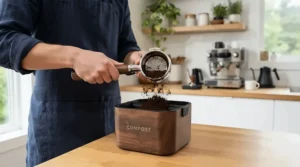
After brewing. Knock the grounds into a compost bin. Rinse straight away, because dried coffee clings to mesh.
Maintenance. Brush the mesh occasionally and soak in a vinegar and warm water solution every two weeks, as the Barista Warrior maker recommends.
Common first-month mistakes include grinding too fine, rinsing too late, scrubbing with harsh abrasives and forgetting to dry the filter fully.
Real-World Scenarios: Which Filter Fits Which Brewer?
The Chemex household. Two people share a 6- or 8-cup Chemex on weekends and brew daily at home. A budget of C$50 is comfortable. The Able Kone or Barista Warrior both work, with the Barista Warrior the better pick if one of you hates sediment.
The first-timer on a budget. A student wants good coffee without buying a dripper, a carafe and papers separately. The Bodum covers all three, and a decent burr grinder matters more than anything else on the shopping list.
The solo desk brewer. One cup, one mug, a small kitchen. The LHS with its stand and brush is a cheap way to test the idea, and you can upgrade later.
The V60 loyalist. You already love your ceramic V60 but dislike running out of papers. The Able Kone Mini brings body, with the caveat of the wobble.
These matches follow from specs and documented reviewer themes, not personal testing.
Problem and Solution: Fixing Common Metal Filter Complaints
Problem: Gritty cup. Grind coarser, pour gently and consider a double-layer filter like the Barista Warrior. Leave the last sip behind.
Problem: Slow drain. Fines or scale are clogging the holes. Grind coarser, brush the mesh and descale with vinegar.
Problem: Weak, muddy flavour. One review summary of the Able Kone noted weak coffee as a complaint. This usually means a grind that’s too coarse or too fine. Adjust in small steps and increase the dose slightly.
Problem: The filter wobbles. Seat it carefully, check the rim contact and consider whether the Able Kone Mini or a different cone suits your dripper.
Problem: Hard to lift out. Use a spoon, tongs or an oven mitt, especially with the Barista Warrior, which has no handle.
Problem: Lingering coffee smell. Soak in warm water with a little white vinegar, then air dry.
Long-Term Cost: Does Metal Actually Pay Off?
Paper filters cost a few cents each, so the breakeven takes time. At roughly 10 to 15 cents per filter, which is in line with typical guidance, one cup a day costs around C$40-C$60 a year in papers. A C$50 metal filter pays for itself in about a year for a daily brewer.
| Option | Upfront | Ongoing | Best For |
|---|---|---|---|
| Paper only | Low | C$40-C$60/year (daily use) | Occasional brewers, light roast fans |
| LHS | C$15-C$30 | Minimal | Testing the idea |
| Barista Warrior | C$45-C$60 | Minimal | Daily Chemex or V60 users |
The numbers favour metal for daily brewers and are roughly a wash for occasional ones. Factor in the cost of a decent grinder too, because inconsistent grinds make any metal filter perform badly.
Environmental value is harder to put a price on. Cutting hundreds of paper filters a year is a real, if modest, reduction in household waste.
Health, Safety and Canadian Guidance
Metal’s richer oils bring a health trade-off worth knowing. Coffee contains cafestol and kahweol, compounds known to raise LDL cholesterol. Paper filters trap most of them, while metal filters let more through.
A Swedish study published in Nutrition, Metabolism and Cardiovascular Diseases tested 14 workplace coffee machines and found median cafestol levels around 176 mg/L in the machines, versus 12 mg/L for paper-filtered coffee. Boiled coffee and espresso were higher still. The researchers estimated that swapping three daily cups of machine coffee for paper-filtered could cut LDL cholesterol noticeably.
Context matters. That study examined office machines, not hand-poured cones, and the results varied by machine. A manual pour over with a fine metal filter sits in the intermediate range, and the effect depends on how much you drink.
If you drink several cups a day, or if you’re managing cholesterol, talk to your doctor or pharmacist. A simple compromise is to place a paper filter inside a metal one, or to alternate between them. This is general information, not medical advice.
On caffeine, Health Canada recommends a maximum of 400 mg per day for adults, roughly three 237 mL cups of brewed coffee, and 300 mg for people who are pregnant, planning to become pregnant or breastfeeding.

FAQ
❓ Can I use a paper filter with a metal coffee filter for pour over?
❓ Are metal pour over filters dishwasher safe?
❓ What grind works best for a metal filter?
❓ Will the Able Kone fit my Chemex or V60?
❓ How do I remove coffee oil buildup from a metal filter?
Conclusion
A metal coffee filter for pour over is not for everyone, but for the right drinker it is a small upgrade with a big payoff. You get a fuller cup, no paper waste and a filter that can last years with basic care. You also get more oil, more body and sometimes more sediment, and you should know about the cafestol trade-off before you commit.
If you want the cleanest result, start with the Barista Warrior. If you want durability and flexibility across Chemex, V60 and drip machines, the Able Kone is the safe pick. If you want everything in one box, the Bodum is the easy route, and if you want a cheap trial, the LHS or MISETTO will tell you quickly whether metal suits you. Whatever you choose, pair it with a decent grinder.
✨ Ready to leave paper behind?
🔍 Check current pricing and availability on Amazon.ca for the filter that fits your dripper, and start brewing a richer cup this week. ☕
Recommended for You
- Paper Coffee Filters Vs Metal Coffee Filters: 7 Ultimate Picks (2026)
- Reusable K-Cup Filter: 7 Best Picks For Canadians In 2026
- Pour Over Kettle Set: 7 Best Picks For Canada In 2026
Disclaimer: This article contains affiliate links. As an Amazon Associate, I earn from qualifying purchases. If you purchase products through these links, we may earn a small commission at no additional cost to you.
✨ Found this helpful? Share it with your friends! 💬🤗
