
In This Article
Remember that first sip of perfectly brewed espresso at your favourite coffee shop? The rich crema, the aromatic complexity, that perfect balance between bitter and sweet? Now imagine recreating that experience in your own kitchen, every single morning, without the $5 price tag or the lineup at Tim Hortons.
That’s exactly what a bean to cup coffee machine delivers for Canadian coffee enthusiasts. These remarkable devices have revolutionized home brewing by automating the entire process—from grinding fresh beans to brewing and frothing milk—all at the touch of a button. According to recent research published in the British Medical Journal, moderate coffee consumption (3-4 cups daily) is associated with numerous health benefits, making your investment in quality coffee equipment even more worthwhile.
The Canadian market has seen explosive growth in bean to cup machines throughout 2025 and into 2026, with more Canadians ditching wasteful pods in favour of fresh whole beans. But here’s the challenge: with prices ranging from $500 CAD to well over $3,000 CAD, choosing the right machine for your needs requires careful consideration.
This comprehensive guide cuts through the marketing noise to deliver straight-shooting advice based on real-world testing, Canadian customer reviews, and expert analysis. Whether you’re a casual coffee drinker in Vancouver or a serious espresso enthusiast in Toronto, you’ll discover which bean to cup machine deserves counter space in your kitchen.
Quick Comparison Table
| Coffee Machine | Price (CAD) | Key Feature | Best For | Rating |
|---|---|---|---|---|
| Breville Barista Express | $550-$700 | Manual control + built-in grinder | Hands-on enthusiasts | ⭐⭐⭐⭐½ |
| Philips 3200 LatteGo | $700-$900 | Easy-clean milk system | Busy families | ⭐⭐⭐⭐ |
| De’Longhi Magnifica Start | $650-$850 | Budget-friendly automation | First-time buyers | ⭐⭐⭐⭐ |
| Breville Barista Touch Impress | $850-$1,100 | Touchscreen interface | Tech-savvy users | ⭐⭐⭐⭐⭐ |
| Philips 5500 LatteGo | $1,100-$1,400 | 20 drink presets | Variety seekers | ⭐⭐⭐⭐½ |
| De’Longhi Rivelia | $1,299 | Dual bean hopper | Coffee connoisseurs | ⭐⭐⭐⭐⭐ |
| Jura E6 | $1,600-$2,000 | Swiss engineering | Premium quality | ⭐⭐⭐⭐⭐ |
💬 Just one click – help others make better buying decisions too!😊
Top 7 Bean to Cup Coffee Machines: Expert Analysis
1. Breville Barista Express – Best Value for Control Enthusiasts
The Breville Barista Express has earned its reputation as Canada’s favourite semi-automatic bean to cup machine, and for good reason. This brushed stainless steel beauty bridges the gap between full automation and manual espresso artistry.
Key Specifications:
- Built-in conical burr grinder with 16 grind settings
- 15-bar Italian pump with PID temperature control
- 54mm portafilter for professional-grade extraction
- 67 oz (2L) water tank capacity
Canadian Availability & Pricing: Readily available on Amazon.ca and through major retailers like Best Buy Canada. Prices typically range from $550-$700 CAD, though savvy shoppers can catch sales dropping it to $499 CAD during major shopping events.
Customer Feedback from Canadian Buyers: Toronto-based users consistently praise the machine’s ability to produce café-quality espresso once you master the learning curve. One Vancouver reviewer noted, “After two weeks of practice, I’m pulling shots that rival my local specialty café – and I’ve already saved enough on daily lattes to justify half the purchase price.”
✅ Pros:
- Exceptional espresso quality with proper technique
- Adjustable grind settings for various bean types
- Integrated tamper and precise dosing control
❌ Cons:
- Steeper learning curve than fully automatic options
- Requires manual milk positioning for cappuccinos
Bottom Line: Perfect for Canadians who want control over their coffee creation process while still enjoying the convenience of an integrated grinder. Budget around $600-$650 CAD for the best value.
2. Philips 3200 Series LatteGo – Best for Easy Maintenance
The Philips 3200 Series LatteGo has captured hearts across Canada with its revolutionary two-part milk system that cleans in literally 15 seconds under your tap. No hidden tubes, no mysterious milk residue – just simple, brilliant design.
Key Specifications:
- 100% ceramic grinder with 12 adjustment levels
- 5 coffee varieties at the touch of a button
- LatteGo milk system with cyclonic frothing
- AquaClean filter (5,000 cups without descaling)
Canadian Availability & Pricing: Widely available on Amazon.ca with prices ranging from $700-$900 CAD depending on colour options (black, silver, or piano white). Free shipping typically included through Prime.
Customer Feedback from Canadian Buyers: According to reviews on Amazon.ca, Canadian customers particularly appreciate how the AquaClean filter extends the time between descaling—crucial for those in areas with hard water like Calgary or Winnipeg. “Living in southern Ontario with terrible water quality, the filter has been a game-changer,” reports one satisfied customer.
✅ Pros:
- Incredibly easy to clean (dishwasher-safe components)
- Consistent, reliable performance
- Quiet operation (40% quieter than previous models)
❌ Cons:
- Limited customization compared to premium models
- Smaller bean hopper (275g capacity)
Bottom Line: Ideal for Canadian families or offices where multiple people with varying cleaning habits will use the machine. Expect to pay around $750-$850 CAD.
3. De’Longhi Magnifica Start – Best Budget-Friendly Automatic
Don’t let the entry-level price fool you—the De’Longhi Magnifica Start delivers impressive performance that punches well above its weight class. This Italian-made machine brings bean to cup automation within reach of more Canadian households.
Key Specifications:
- Adjustable ceramic burr grinder
- 13 grind settings for customization
- Manual milk frother for cappuccinos
- 1.8L water tank
Canadian Availability & Pricing: Available through Amazon.ca and specialty retailers. Pricing typically sits between $650-$850 CAD, making it one of the most accessible true bean to cup machines on the Canadian market.
Customer Feedback from Canadian Buyers: Edmonton users praise its compact footprint—important in smaller urban kitchens. “In our 600-square-foot condo, every centimetre counts. This machine fits perfectly without dominating our counter,” one customer shared.
✅ Pros:
- Excellent value for money
- Compact design suits smaller spaces
- Simple, intuitive controls
❌ Cons:
- Manual milk frothing requires practice
- Fewer preset drink options
Bottom Line: Perfect entry point for Canadians new to bean to cup machines who want quality without breaking the bank. Target price: $700-$800 CAD.
4. Breville Barista Touch Impress – Best Smart Technology
The Breville Barista Touch Impress represents the cutting edge of home espresso automation. With its vibrant touchscreen and Auto MilQ technology, this machine feels like stepping into 2026’s coffee future.
Key Specifications:
- 4.3-inch touchscreen display
- Assisted tamping with 10kg consistent pressure
- Auto MilQ milk texturing for dairy and plant-based milk
- Integrated precision grinder
Canadian Availability & Pricing: Available through Amazon.ca, Williams Sonoma, and Breville’s Canadian website. Pricing ranges from $850-$1,100 CAD depending on sales and promotions.
Customer Feedback from Canadian Buyers: Montreal users rave about the machine’s ability to perfectly texture oat milk—a popular choice among Canadian coffee drinkers. “I’ve tried five different plant-based milks, and it handles all of them beautifully,” noted a satisfied reviewer.
✅ Pros:
- Extremely user-friendly touchscreen interface
- Perfect milk texture every time
- Auto-adjusts for ambient temperature
❌ Cons:
- Premium price point
- Large footprint (requires substantial counter space)
Bottom Line: Worth the investment for tech-savvy Canadians who value convenience without sacrificing quality. Budget $900-$1,000 CAD for best pricing.
5. Philips 5500 Series LatteGo – Best for Drink Variety
If variety is the spice of life, the Philips 5500 Series LatteGo is the entire spice rack. With 20 different coffee presets including hot and iced options, this machine ensures you’ll never get bored.
Key Specifications:
- 20 beverage options (hot and iced)
- QuickStart technology (ready in 3 seconds)
- SilentBrew technology (40% quieter)
- 5 customizable user profiles
Canadian Availability & Pricing: Available on Amazon.ca with pricing between $1,100-$1,400 CAD. Philips frequently offers trade-in promotions through their Canadian website.
Customer Feedback from Canadian Buyers: Calgary households with multiple coffee drinkers love the user profile feature. “My husband drinks dark roast Americanos, I prefer light cappuccinos, and our daughter loves iced lattes. Everyone has their perfect drink programmed in,” shared one family.
✅ Pros:
- Impressive drink variety including iced coffee
- Super-fast warm-up time
- Whisper-quiet operation
❌ Cons:
- Higher price point
- Learning curve for maximizing all features
Bottom Line: Excellent for Canadian households where different family members have distinct coffee preferences. Expect to invest $1,200-$1,350 CAD.
6. De’Longhi Rivelia – Best for Coffee Connoisseurs
The De’Longhi Rivelia arrived in North America in 2025, and Canadian coffee enthusiasts immediately took notice. Its standout Dual-Chamber Bean Switch System lets you toggle between two different bean varieties without wasting a single bean.
Key Specifications:
- Dual bean hopper system (250g each)
- 3.5-inch touchscreen with 4 user profiles
- LatteCrema Hot & Cold milk system
- 1.5L water tank
Canadian Availability & Pricing: Launched in Canada at $1,299 CAD through De’Longhi’s official store, Amazon.ca, and Best Buy Canada. Available in four colours: Onyx Black, Arctic White, Pebble Grey, and Sand Beige.
Customer Feedback from Canadian Buyers: Vancouver specialty coffee enthusiasts appreciate the ability to keep both a single-origin Ethiopian and a Brazilian blend ready to go. “I can switch between my morning bright, fruity blend and my afternoon chocolatey roast effortlessly,” one reviewer explained.
✅ Pros:
- Unique dual bean system
- Beautiful modern design
- Both hot and cold milk preparation
❌ Cons:
- Premium pricing
- Colour options sometimes have varying availability
Bottom Line: Ideal for serious Canadian coffee lovers who regularly switch between bean varieties. Worth the $1,299 CAD investment for dedicated enthusiasts.
7. Jura E6 – Best Premium Swiss Engineering
When you want the absolute best, the Jura E6 delivers Swiss precision engineering that’s built to last decades. This machine represents the gold standard in bean to cup technology.
Key Specifications:
- Professional Aroma Grinder (12.2% more aroma extraction)
- Pulse Extraction Process (P.E.P.) for optimal extraction
- 8-level coffee strength adjustment
- CLEARYL Smart water filter system
Canadian Availability & Pricing: Available through authorized Jura Canada dealers and Amazon.ca. Pricing ranges from $1,600-$2,000 CAD depending on the colour (platinum or piano white).
Customer Feedback from Canadian Buyers: Toronto business professionals who’ve invested in the E6 report exceptional reliability even with heavy daily use. “After 18 months and approximately 2,500 cups, this machine performs exactly like day one,” one reviewer noted.
✅ Pros:
- Unmatched build quality and durability
- Exceptional espresso extraction
- Comprehensive automatic maintenance programs
❌ Cons:
- Significant investment required
- Semi-automatic milk frothing (not fully automatic like some competitors)
Bottom Line: For Canadians who view coffee as an essential daily ritual worth investing in premium equipment. Budget $1,700-$1,900 CAD.
✨ Don’t Miss These Exclusive Deals!
🔍 Take your coffee game to the next level with these carefully selected products available in Canada. Click on any highlighted item to check current pricing and availability on Amazon.ca. These machines will help you create authentic café-quality beverages your family and guests will love!
What is a Bean to Cup Coffee Machine?
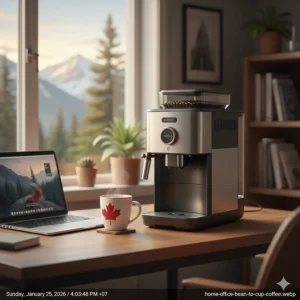
A bean to cup coffee machine is an all-in-one coffee maker that automates the entire brewing process from whole beans to finished beverage. Unlike traditional espresso machines that require separate grinders and manual intervention, or pod machines that rely on pre-packaged capsules, these intelligent appliances handle grinding, tamping, brewing, and often milk frothing automatically.
The magic happens through integrated components working in harmony. When you select your desired drink, the machine’s built-in burr grinder grinds the precise amount of fresh beans needed. The ground coffee is automatically transferred to the brewing chamber, where hot water is forced through at optimal pressure (typically 9-15 bars) to extract rich, flavourful espresso. Many models include automatic milk systems that steam and froth milk to your preferred texture.
What sets bean to cup machines apart is their ability to preserve coffee freshness. According to coffee science, ground coffee begins losing flavour compounds within minutes of grinding due to oxidation. By grinding beans on-demand, these machines ensure maximum aroma and taste in every cup—something pre-ground coffee or pods simply cannot match.
For Canadian households, this translates to consistently excellent coffee without the expertise required for manual espresso preparation. You get barista-quality results whether you’re brewing your first cup or your thousandth.
How Bean to Cup Machines Work: The Technology Behind Your Morning Brew
Understanding how these machines function helps you appreciate why they command premium prices and deliver superior results. Let’s break down the sophisticated process that happens in seconds behind that simple “brew” button.
The Grinding Stage
Everything begins with the grinder—arguably the most critical component. Premium machines use ceramic or stainless steel conical burr grinders that crush beans between two abrasive surfaces. This method produces uniform particle sizes crucial for even extraction.
Canadian-sold models typically offer 12-16 grind settings, from fine (for intense espresso) to coarse (for Americano-style coffee). The machine measures out the exact dose needed—usually 7-11 grams for single shots, 14-18 grams for doubles.
The Brewing Unit
Once ground, coffee moves to the brewing chamber. Here’s where the magic happens through three precise steps:
Pre-infusion: Hot water (around 92-96°C) gently wets the grounds, allowing them to bloom and release trapped gases. This critical step, lasting 2-5 seconds, ensures even saturation.
Extraction: The pump builds pressure (9-15 bars) to force water through the compacted coffee puck. Proper extraction occurs over 20-30 seconds, drawing out desirable flavours while leaving behind bitter compounds.
Completion: The spent puck is automatically ejected into a waste container, and the brewing unit rinses itself.
The Milk System
Top models feature automatic milk systems that rival professional barista equipment. Using steam pressure, these systems heat milk to optimal temperature (60-65°C) while introducing tiny air bubbles to create microfoam. The result? Silky, velvety texture perfect for latte art.
Canadian customers particularly appreciate easy-clean systems like Philips’ LatteGo or De’Longhi’s LatteCrema, which eliminate the tedious cleaning associated with traditional steam wands.
Key Features to Consider When Buying in Canada
Grinder Quality and Adjustability
The grinder determines your coffee’s potential. Ceramic grinders run quieter and stay cooler (preserving delicate aromatics), while stainless steel offers longevity. Look for machines offering at least 12 grind settings—this versatility matters when experimenting with different Canadian-roasted beans.
Water Tank Capacity and Quality
Canadian water varies dramatically across provinces. Calgary’s hard water differs significantly from Vancouver’s softer supply. Prioritize machines with:
- Large capacity (1.5L+) to reduce refilling
- Removable tanks for easy cleaning
- Built-in water filters (essential in hard water areas)
Most quality machines include filters that last 2-3 months, significantly extending the time between descaling.
Milk System Design
If you enjoy cappuccinos or lattes, the milk system matters immensely. Automatic systems save time but require diligent cleaning. Look for:
- Dishwasher-safe components
- No hidden tubes (easier maintenance)
- Compatibility with plant-based milks (increasingly important for Canadian consumers)
Customization Options
Better machines let you adjust:
- Coffee strength (mild to extra strong)
- Temperature (important for different beans)
- Volume (from ristretto to large Americano)
- Milk foam level and texture
Pressure and Temperature Control
Consistent pressure (9 bars minimum) and stable temperature (92-96°C) are non-negotiable for quality extraction. PID (Proportional-Integral-Derivative) temperature control, found in premium models, maintains precision within ±1°C.
Benefits vs Traditional Coffee Making Methods
| Factor | Bean to Cup Machine | Traditional Espresso Machine | Pod Machine | Drip Coffee Maker |
|---|---|---|---|---|
| Coffee Freshness | ⭐⭐⭐⭐⭐ | ⭐⭐⭐⭐⭐ | ⭐⭐ | ⭐⭐⭐ |
| Convenience | ⭐⭐⭐⭐⭐ | ⭐⭐ | ⭐⭐⭐⭐⭐ | ⭐⭐⭐⭐ |
| Cost Per Cup | $0.30-0.60 | $0.30-0.60 | $0.80-1.20 | $0.15-0.30 |
| Environmental Impact | ⭐⭐⭐⭐ | ⭐⭐⭐⭐ | ⭐⭐ | ⭐⭐⭐ |
| Skill Required | ⭐ | ⭐⭐⭐⭐⭐ | ⭐ | ⭐⭐ |
| Drink Variety | ⭐⭐⭐⭐⭐ | ⭐⭐⭐⭐ | ⭐⭐⭐ | ⭐⭐ |
Environmental Advantages for Canadian Households
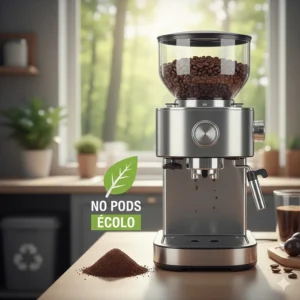
With Canada’s commitment to reducing single-use plastics, bean to cup machines align perfectly with sustainability goals. Each machine prevents hundreds of pods from reaching landfills annually. The math is compelling: a household brewing three pods daily generates roughly 1,095 pods per year. Even in provinces with recycling programs, the energy required to recycle aluminum or plastic capsules significantly exceeds the environmental footprint of whole beans.
Additionally, coffee beans can be purchased from local Canadian roasters in bulk, further reducing packaging waste while supporting the local economy.
Understanding Coffee Grind Settings for Canadian Beans
Canadian roasters offer diverse profiles—from Vancouver’s light Nordic-style roasts to Montreal’s darker Italian traditions. Your grind setting must match both bean type and desired drink:
Fine Grind (Settings 1-4)
Perfect for ristretto and traditional espresso. Use with darker roasts or when seeking intense, concentrated flavours. Popular among Toronto’s Little Italy coffee culture enthusiasts.
Medium-Fine Grind (Settings 5-8)
The sweet spot for most espresso-based drinks. Works beautifully with medium roasts—the most popular choice across Canadian markets. This setting balances extraction speed with flavour complexity.
Medium Grind (Settings 9-12)
Ideal for longer drinks like Americanos or when using lighter, fruitier beans. Calgary’s specialty coffee scene favours this setting for showcasing single-origin Ethiopian or Kenyan beans.
Coarse Grind (Settings 13-16)
Reserved for specific situations—very light roasts or when you notice over-extraction (excessive bitterness). Some machines use coarser settings for their “long coffee” programs.
Pro Tip for Canadian Climate: Beans behave differently in different humidities. Prairie provinces with dry winters may find beans grinding slightly faster and requiring finer settings to compensate.
Maintenance and Cleaning: Keeping Your Investment Performing
Daily Maintenance (2-3 Minutes)
Empty the drip tray and grounds container: Most machines alert you when full. Ignoring this invites mould growth—particularly problematic in humid coastal regions.
Wipe exterior surfaces: Coffee oils and milk splashes accumulate quickly. A damp microfibre cloth prevents buildup.
Clean milk system: If your machine has automatic milk frothing, run the cleaning cycle after each use. This prevents bacterial growth and keeps milk flowing freely.
Weekly Deep Clean (15 Minutes)
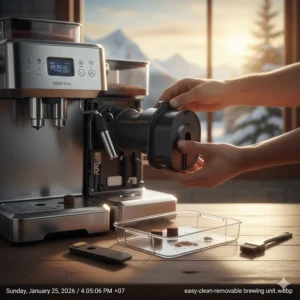
Remove and wash brewing unit: If your model has a removable brew group (common in De’Longhi machines), remove it and rinse thoroughly under warm water. Allow to air dry completely before reinstalling.
Clean milk system thoroughly: Disassemble milk components and wash with warm, soapy water. Most are dishwasher-safe.
Wipe grinder area: Coffee oils become rancid over time, affecting flavour. Use a soft brush to remove residual grounds from the grinder chamber.
Monthly Tasks
Deep descale: Even with filters, minerals accumulate. Use manufacturer-approved descaling solution (typically $15-25 CAD per bottle). Never use vinegar—it can damage internal components and void warranties.
Replace water filter: Most filters last 2-3 months or approximately 50 litres. Mark your calendar to avoid missing replacement dates.
Climate-Specific Considerations for Canada
Winter: Low humidity can cause static buildup in ground coffee, creating mess. A few drops of water on beans before grinding helps (or use a dedicated grinder spray).
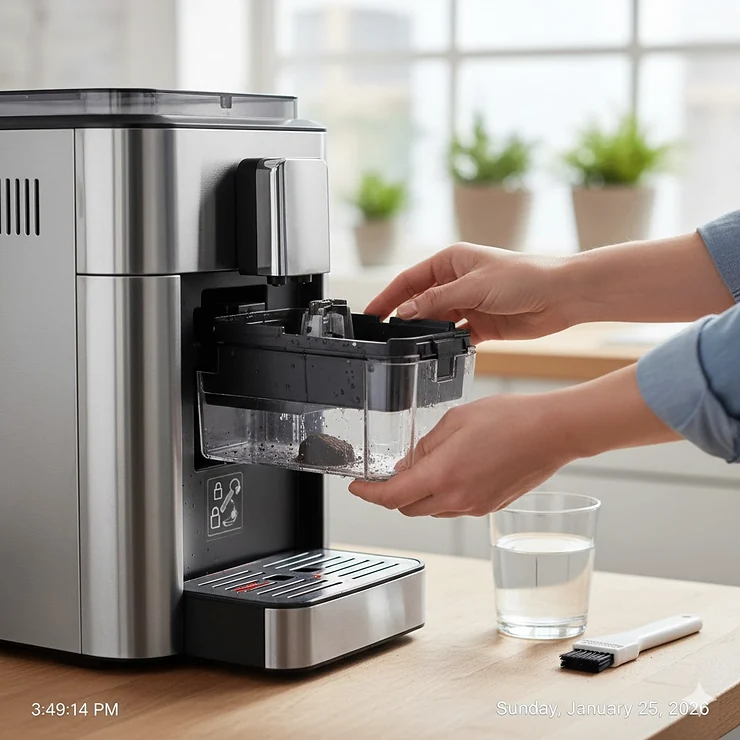
Summer: Higher humidity, especially in provinces like Ontario and the Maritimes, can cause beans to absorb moisture. Store beans in airtight containers and consider running the machine’s cleaning cycle more frequently to prevent mould.
Hard Water Areas (Calgary, Winnipeg, Regina): Invest in quality water filters and descale every 4-6 weeks instead of the standard 8-12 weeks.

Choosing the Right Beans for Your Machine
Not all beans work equally well in bean to cup machines. Here’s what Canadian buyers should know:
Roast Level Recommendations
Medium Roasts: The safest bet for most machines. They offer balanced flavour, moderate oil content, and grind consistently. Canadian favourites like 49th Parallel Epic Espresso or Pilot Coffee Roasters Cornerstone work beautifully.
Dark Roasts: Can be problematic in some machines due to higher oil content, which may clog grinders over time. If you prefer dark roasts, clean your grinder weekly and avoid ultra-oily beans.
Light Roasts: Gaining popularity in Canada’s specialty coffee scene. These harder, denser beans may require finer grind settings and produce brighter, fruitier cups. Excellent with machines that have powerful grinders.
Bean Origin Matters
Single-Origin vs. Blends: Blends are formulated for consistency—ideal for daily drinking. Single-origins offer adventure but may require grind adjustments as you switch varieties.
Bean Freshness: Purchase from roasters who date their bags. Coffee peaks 5-14 days post-roast and maintains quality for 3-4 weeks. Buy quantities you’ll consume within a month.
Beans to Avoid
⚠️ Flavoured beans: Oils used in flavouring can permanently coat grinder burrs, affecting all future coffee. Use only unflavoured beans in your machine.
⚠️ Extremely oily beans: If beans look visibly shiny or leave oil residue on your hands, they’ll gunk up your grinder faster than you can say “double-double.”
⚠️ Pre-ground coffee: Defeats the entire purpose of owning a bean to cup machine. The bypass chute is for occasional use only (like when accommodating guests who prefer decaf).
Troubleshooting Common Issues
Weak or Watery Coffee
Diagnosis: Under-extraction from grind too coarse, insufficient coffee dose, or low brewing temperature.
Solutions:
- Decrease grind setting by 2-3 steps
- Increase coffee strength setting
- Ensure machine is fully warmed up (run a blank shot first)
- Check that brewing unit is properly seated
Bitter or Over-Extracted Coffee
Diagnosis: Grind too fine, brewing temperature too high, or over-dosing.
Solutions:
- Increase grind setting to allow faster water flow
- Reduce coffee strength
- Use fresher beans (over-roasted or stale beans taste bitter)
- Ensure your machine isn’t exceeding 96°C brewing temperature
Machine Not Grinding or Grinding Slowly
Diagnosis: Clogged grinder from oily beans or foreign objects.
Solutions:
- Remove bean hopper and inspect for objects
- Run grinder cleaning tablets (available at most Canadian retailers for $10-15)
- Manually clean burrs with manufacturer’s brush
- If problem persists, contact authorized Canadian service center
No Milk Foam or Weak Foam
Diagnosis: Clogged milk system, incorrect milk type, or milk too cold/warm.
Solutions:
- Deep clean milk system components
- Use cold milk (4°C) straight from fridge
- Try different milk—some Canadian brands froth better than others
- Ensure milk hasn’t passed its prime (best within 3-4 days of opening)
Machine Displaying Descale Warning
Diagnosis: Normal mineral buildup—more frequent in hard water areas.
Solutions:
- Purchase approved descaling solution
- Follow manufacturer’s descaling program (typically 30-45 minutes)
- Never ignore this warning—scale buildup affects heating elements
- In Calgary, Winnipeg, or other hard-water cities, consider installing a water softener
Cost Analysis: Is It Worth the Investment?
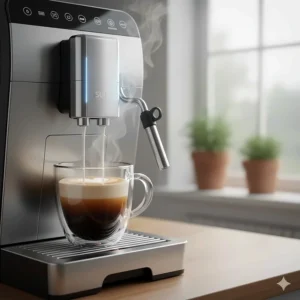
Let’s crunch the numbers for a typical Canadian household:
Daily Coffee Shop Scenario
- 2 lattes daily at $5.50 each = $11.00/day
- Monthly cost = $330.00
- Annual cost = $3,960.00
Bean to Cup Machine Scenario
- Machine cost (mid-range): $900 CAD
- Quality beans: $16/lb (lasts ~2 weeks for 2 lattes daily)
- Milk: $6/week
- Descaling/cleaning supplies: $100/year
- Annual operating cost: $416 (beans) + $312 (milk) + $100 (supplies) = $828
First Year Total: $1,728 CAD
Annual Savings: $2,232 CAD
Break-even Point: 4.8 months
After the first year, you’re saving over $3,000 annually while enjoying fresher, often better coffee than most commercial chains. Plus, you’re avoiding Tim Hortons lineups during Canadian winters—priceless!
Hidden Benefits
Beyond monetary savings, consider:
- Time savings: 10 minutes daily × 365 days = 60+ hours annually
- Environmental impact: Preventing 730+ disposable cups from landfills
- Health benefits: Control over ingredients (sugar, milk type, additives)
- Skill development: Understanding coffee enhances appreciation
- Social benefits: Entertaining friends with café-quality drinks
Smart Features and Connected Technology in 2026
Modern bean to cup machines increasingly incorporate smart technology that Canadian tech enthusiasts appreciate:
Wi-Fi Connectivity and App Control
Premium models now offer smartphone integration allowing you to:
- Schedule brewing times (perfect for waking up to fresh coffee)
- Monitor maintenance schedules and supplies
- Receive notifications when descaling is needed
- Access expanded recipe libraries
- Track usage statistics (cups brewed, water consumed)
Adaptive Brewing Intelligence
Some 2026 models use AI to:
- Learn your preferences and suggest optimal settings
- Automatically adjust grind based on bean humidity
- Compensate for altitude (relevant in Canadian cities like Calgary or Banff)
- Detect and correct common brewing problems
Voice Assistant Integration
Select machines now work with Amazon Alexa or Google Home, enabling hands-free operation—particularly convenient when you’re juggling morning routines or working from home.
Energy Efficiency Features
Canadian consumers increasingly prioritize sustainability. Look for:
- Auto-sleep modes (activates after 10-30 minutes of inactivity)
- Energy-saving temperature settings
- Eco-mode that reduces standby power consumption
- Energy Star certification (where available)
Best Brands Available in Canada
Breville (Sage in UK)
Reputation: Australia-based Breville dominates the North American market with innovative, user-friendly designs. Their Canadian presence is strong, with responsive customer service based in Vancouver.
Strengths:
- Excellent build quality
- Intuitive interfaces
- Strong warranty support in Canada
- Readily available replacement parts
Considerations: Premium pricing, larger footprints
De’Longhi
Reputation: Italian heritage manufacturer with over 100 years of experience. Their Canadian distribution network is excellent, with service centers in major cities.
Strengths:
- Wide price range options
- European aesthetic
- Removable brew groups (easier maintenance)
- Excellent milk systems
Considerations: Some models have proprietary cleaning products
Philips
Reputation: Dutch electronics giant bringing technology expertise to coffee. Their LatteGo system revolutionized easy-clean milk frothing.
Strengths:
- Exceptional ease of use
- Brilliant cleaning design
- Quiet operation
- Strong Canadian warranty
Considerations: Less manual control than competitors
Jura
Reputation: Swiss luxury brand representing the pinnacle of bean to cup technology. Expensive but built for decades of daily use.
Strengths:
- Unmatched durability
- Precision engineering
- Best-in-class extraction
- Comprehensive automatic maintenance
Considerations: Highest price point, proprietary cleaning products mandatory
Gaggia
Reputation: Italian brand now owned by Philips, offering quality espresso tradition at accessible prices.
Strengths:
- Strong espresso-making heritage
- Good value proposition
- Compatible with broader range of accessories
Considerations: Smaller Canadian presence, fewer service centers
Regulations and Safety Standards in Canada
Canadian-sold coffee machines must comply with specific regulations ensuring electrical safety and performance standards.
Canadian Standards Association (CSA) Certification
Look for the CSA mark indicating the machine meets Canadian electrical safety requirements. This certification ensures:
- Proper grounding and electrical insulation
- Safe operating temperatures
- Protection against electrical shock
- Compliance with Canadian voltage standards (120V in most homes)
Health Canada Guidelines
While coffee machines themselves aren’t directly regulated by Health Canada, materials in contact with food and water must meet safety standards. Reputable manufacturers use:
- BPA-free plastics
- Food-grade stainless steel
- Lead-free components
Provincial Electrical Codes
All machines must comply with provincial electrical codes. In Quebec, for example, additional requirements may apply. Always verify your specific provincial regulations, particularly when purchasing imported equipment.
Energy Efficiency
Natural Resources Canada’s Energy Efficiency Regulations encourage (but don’t mandate for coffee machines) energy-saving features. Look for Energy Star certification or equivalent markers.
Warranty and Customer Service in Canada
Understanding warranty coverage is crucial when investing $500-$2,000+ in a coffee machine.
Standard Warranty Coverage
Most manufacturers offer:
- 1-2 year comprehensive warranty covering parts and labour
- Extended warranty options (additional cost)
- Limited component warranties (some manufacturers warrant grinders or brew groups for 5+ years)
What’s Typically Covered
✅ Manufacturing defects
✅ Electrical failures
✅ Mechanical breakdowns during normal use
✅ Component replacements (grinder, pump, heating elements)
What’s Usually Excluded
❌ Damage from improper cleaning or maintenance
❌ Scale buildup from failure to descale
❌ User-caused damage
❌ Wear-and-tear items (seals, gaskets, filters)
Canadian-Specific Warranty Considerations
Authorized Dealers Matter: Purchasing from unauthorized sellers (including some Amazon third-party sellers or cross-border purchases) may void Canadian warranties.
Service Network: Verify your manufacturer has authorized service centers in your region. Major cities (Toronto, Montreal, Vancouver, Calgary) have good coverage; rural areas may face challenges.
Turnaround Times: During busy seasons (post-holidays), service can take 2-4 weeks. Some manufacturers offer loaner programs.
Recommended Extended Warranty Approach
For machines over $1,000 CAD, consider extended coverage if:
- You brew multiple times daily
- Your household lacks time for frequent maintenance
- You live far from service centers
Environmental Impact and Sustainability
Canadians increasingly prioritize environmental responsibility. Here’s how bean to cup machines measure up:
Pod vs Bean Comparison
Annual Waste (3 cups daily):
- Pod machines: ~1,095 capsules (primarily aluminum or plastic)
- Bean to cup: Grounds only (compostable)
Even in provinces with aluminum recycling programs, the energy required for recycling significantly exceeds the environmental footprint of composting grounds.
Carbon Footprint Reduction
Purchasing locally roasted beans reduces transportation emissions. Canadian roasters from Victoria to Halifax offer excellent beans with minimal shipping distances compared to international brands.
Composting Coffee Grounds
All Canadian municipalities with organic waste programs accept coffee grounds. They’re nitrogen-rich additions to compost, beneficial for gardens. Vancouver, Toronto, Halifax, and many smaller cities offer green bin collection including coffee waste.
Sustainable Bean Sourcing
Look for Canadian roasters prioritizing:
- Direct trade relationships
- Organic certification
- Rainforest Alliance certification
- Fair Trade certification
Roasters like Montreal’s Café Névé or Vancouver’s Ethical Bean exemplify sustainable practices.
Machine Longevity
Quality bean to cup machines last 10-15 years with proper maintenance—far exceeding pod machines’ typical 3-5 year lifespan. This durability dramatically reduces electronic waste.
FAQs
❓ What is the average price of a bean to cup coffee machine in Canada?
❓ How often do I need to descale my machine in Canada's hard water regions?
❓ Can bean to cup machines handle plant-based milk like oat or almond milk?
❓ What's the difference between ceramic and steel grinders in these machines?
❓ Are bean to cup machines difficult to maintain for first-time owners?
Conclusion: Finding Your Perfect Bean to Cup Match
After examining seven exceptional bean to cup coffee machines available in Canada, one truth becomes clear: there’s no single “best” machine for everyone. Your perfect match depends on your specific circumstances—budget, household size, coffee preferences, and willingness to engage with the brewing process.
For budget-conscious first-time buyers, the De’Longhi Magnifica Start ($650-$850 CAD) offers remarkable value. You’ll sacrifice some convenience and automation but gain quality espresso extraction and the satisfaction of learning coffee craft.
Busy families and offices should seriously consider the Philips 3200 LatteGo ($700-$900 CAD). Its revolutionary easy-clean milk system eliminates the maintenance headache that defeats many coffee machine purchases. The AquaClean filter system is particularly valuable in Canada’s varied water conditions.
Coffee enthusiasts who want control without excessive manual work will thrive with the Breville Barista Express ($550-$700 CAD). It strikes that sweet spot between automation and involvement, letting you develop genuine barista skills while still enjoying morning convenience.
For tech-savvy users and those who value intuitive interfaces, the Breville Barista Touch Impress ($850-$1,100 CAD) represents the cutting edge. Its touchscreen and Auto MilQ technology make it futureproof while delivering consistently excellent results.
Households with diverse tastes need the variety offered by the Philips 5500 LatteGo ($1,100-$1,400 CAD). Twenty different drinks including iced options ensure everyone finds their perfect cup.
Serious coffee connoisseurs who regularly rotate between bean varieties should invest in the De’Longhi Rivelia ($1,299 CAD). Its dual bean hopper system justifies the premium for those who genuinely appreciate the differences between origins.
Finally, those seeking absolute top quality and maximum longevity should consider the Jura E6 ($1,600-$2,000 CAD). Its Swiss engineering, Pulse Extraction Process, and robust construction represent a long-term investment in daily coffee excellence.
Remember, purchasing a bean to cup machine isn’t just buying an appliance—you’re investing in a daily ritual that brings joy, saves money, and reduces environmental impact. With proper care, your chosen machine will serve exceptional coffee for a decade or more, making the initial investment increasingly worthwhile with each perfectly extracted shot.
The best time to invest in quality home coffee equipment? Five years ago. The second-best time? Right now, before you spend another $5.50 on a mediocre drive-through latte.
Recommended for You
- 7 Best Commercial Espresso Machine Home Canada in 2026
- 7 Best Espresso Machines Under $500 Canada 2026 Guide
- 7 Best Semi Automatic vs Super Automatic Espresso Machines 2026 Canada
Disclaimer: This article contains affiliate links to Amazon.ca. If you purchase products through these links, we may earn a small commission at no additional cost to you.
✨ Found this helpful? Share it with your friends! 💬🤗
